

Mortgages & Major Purchases
Mortgages & Major Purchases
How Your Credit Score Affects Mortgage Rates in 2026
How Your Credit Score Affects Mortgage Rates in 2026
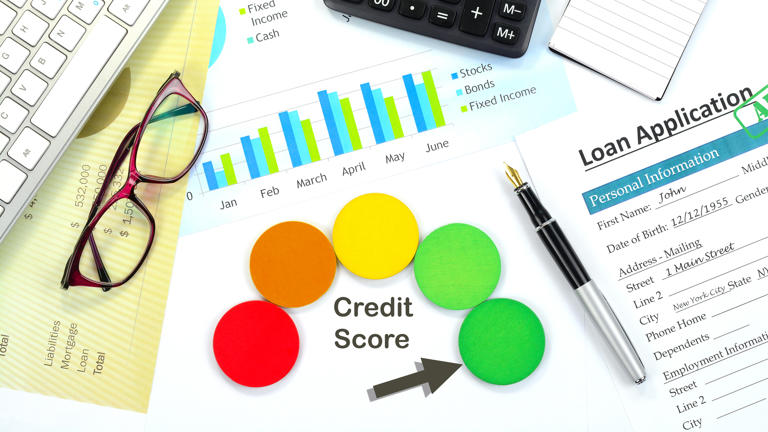
Buying a home is one of the biggest financial steps most people take. One key factor that affects not only your ability to get a mortgage but also the rate you pay on that mortgage is your credit score. In 2026, the rules haven’t changed dramatically, but the details still matter more than most people realize — especially if you want the most competitive mortgage rates.
Credit Scores and Mortgage Rates: What’s the Connection?
Your credit score is a snapshot of how reliably you’ve managed debt in the past. Lenders use it to gauge risk: higher scores generally suggest a lower likelihood of missed payments, so lenders are more comfortable offering lower interest rates.
While the minimum credit score to qualify for certain mortgages can be lower, the scores that unlock the best rates tend to be significantly higher:
- A score around 740 and above is often associated with the most competitive mortgage rates.
- Many conventional loans require at least a 620 score just to be considered.
- Government-backed loans like FHA may allow scores as low as 580 with appropriate down payment terms, though better scores still mean better costs over time.
So while you can get a mortgage with a score in the lower ranges, saving money over the life of the loan usually means striving for that higher tier.
Why Higher Scores Matter More in 2026
Even though mortgage rates have eased from the highest levels seen in recent decades, they are still historically high compared with prior years. That means the difference between one rate and another can easily translate into thousands of dollars in interest over the life of a loan.
In practical terms, improving your credit score by even a small amount — say from the 600s into the 700s — can lower your interest rate, reduce your monthly payment, and increase your buying power. This is because lenders often tier rates by score bands, offering better pricing as credit risk decreases.
It’s Not Just About the Score
While credit score is a major factor, lenders also look at other financial details when pricing your mortgage:
- Debt-to-income ratio (DTI): How much you owe relative to how much you earn. Lower DTIs make lenders more comfortable.
- Down payment size: Bigger down payments often mean better rates and avoid private mortgage insurance (PMI).
- Employment and income stability give lenders added confidence in repayment.
These factors work together with your credit score to determine your overall rate and approval likelihood.
The Bottom Line for 2026
Experts generally point to a credit score in the 740+ range as a sweet spot for locking in the best mortgage rates. That doesn’t mean you can’t qualify for a loan with a lower score, but the cost and options available to you will improve as your score climbs.
Improving your credit score takes time and consistency — paying bills on time, reducing outstanding balances, and reviewing your credit reports for errors are all part of that journey. In 2026’s mortgage landscape, your score still matters — and improving it can pay off in big ways over the life of your loan.
Sources
- Experts reveal which scores unlock the best mortgage rates in 2026.https://finance.yahoo.com/news/experts-reveal-exact-credit-score-152621894.html
- Average mortgage rates by credit score tend to be most competitive at higher score ranges. https://www.experian.com/blogs/ask-experian/average-mortgage-rates-by-credit-score
- Mortgage programs often have minimum score thresholds but rates improve with higher credit. https://www.msn.com/en-us/money/realestate/experts-reveal-the-exact-credit-score-needed-for-the-best-mortgage-rates-in-2026

.webp)
Get clear, practical insights on credit, lending, and financial readiness delivered straight to your inbox. No noise. Just context that helps you make better decisions when it matters.
Thank you! Your submission has been received!
Oops! Something went wrong while submitting the form.